Dental implant surgery has transformed the way patients restore missing teeth, offering a long-term solution that looks natural, functions reliably, and supports overall oral health. At Anthony Maslo DMD, a trusted Pittsburgh PA Dentist, patients often ask one key question before moving forward with treatment: how much pain should I expect, and how can I manage it effectively?
The good news is that while some discomfort is normal after implant placement, most patients are pleasantly surprised by how manageable it is. With the right expectations and a few simple care strategies, you can significantly reduce pain, promote faster healing, and get back to your daily routine with confidence.
Understanding Dental Implant Pain and What to Expect
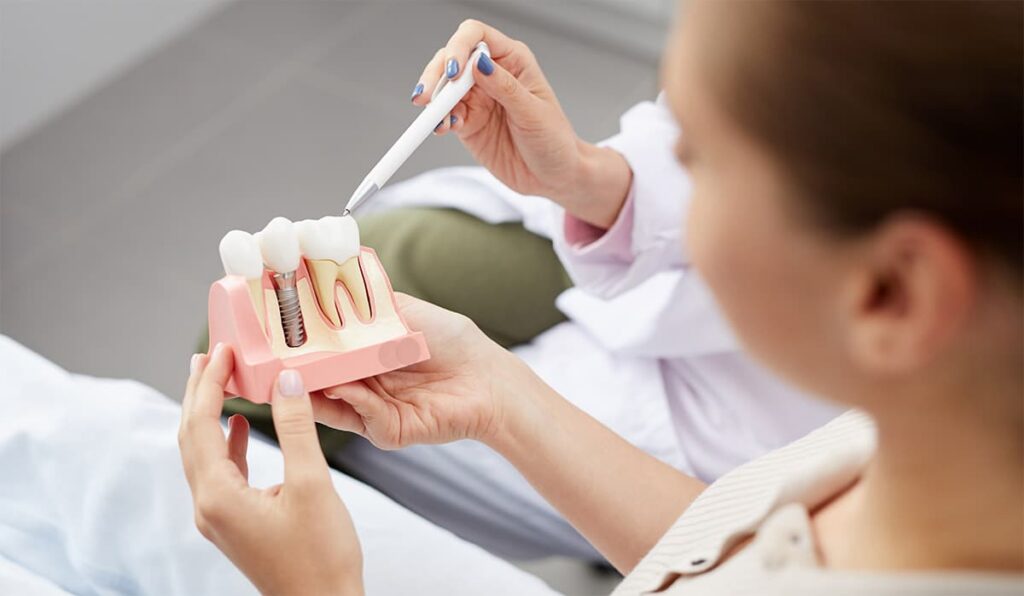
Dental implant surgery involves placing a small titanium post into the jawbone, which acts as a replacement root for a missing tooth. Because this is a minor surgical procedure, it’s natural to experience some level of soreness afterward. However, modern techniques, advanced imaging, and precise placement methods used by experienced providers like Anthony Maslo DMD help minimize trauma to surrounding tissues.
Most patients report that implant discomfort is less intense than they anticipated and often comparable to or even less than a tooth extraction. You may feel tenderness at the surgical site, mild swelling in the gums or face, and occasional bruising. These symptoms are part of the body’s natural healing response and typically begin within a few hours after the procedure.
What’s Normal and What’s Not
It’s important to distinguish between expected post-operative discomfort and symptoms that could indicate a problem. Normal healing includes mild to moderate soreness, slight bleeding within the first 24 hours, and swelling that peaks around the second or third day before gradually improving.
You may also notice some stiffness when opening your mouth or sensitivity when chewing near the implant site. These are temporary and should steadily improve over several days.
On the other hand, severe or worsening pain several days after surgery, excessive bleeding that doesn’t subside, or signs of infection such as fever or pus are not typical. Persistent numbness or a sharp, throbbing pain that intensifies rather than improves should prompt a call to your Pittsburgh PA Dentist.
Practical Pain Relief Methods After Dental Implant Surgery
Managing discomfort after implant surgery doesn’t have to be complicated. In fact, some of the most effective strategies are simple and easy to follow.
Your dentist will likely recommend over-the-counter pain relievers such as ibuprofen or acetaminophen. These medications not only reduce pain but also help control inflammation. In some cases, prescription medications may be provided, especially for more complex procedures or multiple implants.
Cold compresses are another highly effective tool. Applying an ice pack to the outside of your cheek near the surgical area for 15 to 20 minutes at a time can significantly reduce swelling and numb the area, providing relief during the first 24 to 48 hours.
Rest also plays a critical role. While it may be tempting to return to normal activities immediately, giving your body time to recover helps minimize discomfort and supports proper healing.
Managing Pain Naturally at Home
For patients who prefer a more natural approach, there are several at-home methods that can complement traditional pain relief strategies.
Saltwater rinses are one of the simplest and most effective ways to soothe the surgical site. After the first 24 hours, gently rinsing with warm saltwater can help reduce inflammation, keep the area clean, and promote healing.
Maintaining a soft diet is equally important. Foods like yogurt, mashed potatoes, smoothies, and soups allow you to nourish your body without putting pressure on the implant site. Avoiding hard, crunchy, or spicy foods can prevent irritation and reduce discomfort.
Hydration is another often overlooked factor. Drinking plenty of water supports your body’s healing processes and helps maintain a healthy oral environment.
Some patients also find relief using herbal remedies such as chamomile tea bags applied externally or clove oil used sparingly for its natural numbing properties. While these methods can be helpful, it’s always best to consult your Pittsburgh PA Dentist before introducing new remedies to ensure they won’t interfere with healing.
How Long Does Dental Implant Pain Last?
One of the most reassuring aspects of dental implant recovery is that discomfort is usually short-lived. Most patients experience the highest level of soreness within the first two to three days following surgery. After that, symptoms typically begin to subside.
By the end of the first week, many patients report only mild sensitivity, if any at all. Complete healing of the gum tissue may take a few weeks, while the underlying bone integration process continues for several months. Importantly, this deeper healing phase is usually painless.
If pain persists beyond a week or suddenly returns after improving, it’s important to reach out to your provider. Early intervention can address potential issues before they become more serious.
Promoting Proper Healing and Long-Term Comfort
Reducing pain isn’t just about immediate relief; it’s also about supporting long-term success. Proper care after implant surgery plays a major role in ensuring the implant integrates successfully with the jawbone and remains stable for years to come.
Oral hygiene is critical. While you should avoid brushing directly over the surgical site initially, keeping the surrounding teeth and gums clean helps prevent infection. As healing progresses, your dentist will guide you on when and how to resume normal brushing and flossing.
Avoiding smoking and alcohol is another key factor. Both can interfere with healing, increase inflammation, and raise the risk of complications. Patients who follow these guidelines often experience smoother recoveries and better outcomes.
Attending follow-up appointments allows your Pittsburgh PA Dentist to monitor healing, make any necessary adjustments, and ensure everything is progressing as expected.
When Could Dental Implant Pain Mean Something’s Wrong?
While complications are rare, being aware of warning signs can help you take action quickly if needed.
Pain that intensifies rather than improves, swelling that continues to worsen after several days, or a bad taste in the mouth could indicate infection. In some cases, improper implant positioning or issues with bone integration may cause persistent discomfort.
Another potential concern is peri-implantitis, a condition similar to gum disease that affects the tissues around the implant. Early symptoms may include redness, swelling, and bleeding around the implant site.
The key is not to ignore unusual symptoms. Prompt evaluation by your Pittsburgh PA Dentist can often resolve issues quickly and prevent more extensive treatment.
What Your Dentist Can Do to Help
At Anthony Maslo DMD, patient comfort is a top priority at every stage of treatment. From the initial consultation to post-operative care, a personalized approach ensures that each patient receives the support they need.
Before surgery, detailed planning using advanced imaging helps minimize complications and improve precision. During the procedure, local anesthesia and sedation options are used to keep you comfortable.
After surgery, clear instructions and ongoing communication make a significant difference. If you experience unexpected discomfort, your dentist can adjust medications, recommend additional therapies, or evaluate the implant site to ensure proper healing.
This level of care is what sets apart a high-quality provider offering Dental Implants in Pittsburgh. It’s not just about placing the implant; it’s about guiding you through the entire process with expertise and attention to detail.
The Importance of Proper Care and Regular Check-Ups
Long after the initial healing period, maintaining your dental implants requires ongoing care. Regular check-ups allow your dentist to assess the health of the implant, surrounding gum tissue, and overall oral condition.
Professional cleanings help remove plaque and bacteria that could compromise the implant over time. Your dentist may also recommend specialized tools or techniques to keep the area clean without damaging the implant.
Patients who stay consistent with their dental visits and home care routines often enjoy decades of reliable function and natural-looking results. The investment you make in proper care pays off not only in comfort but also in the longevity of your implant.
Dental Implants in Pittsburgh
Choosing the right provider is one of the most important decisions you can make when considering dental implants.
At Anthony Maslo DMD, the focus is on delivering predictable results while prioritizing your comfort and overall experience. From addressing concerns about pain to ensuring a smooth recovery, every aspect of care is designed to help you feel confident and informed.
Dental implants are more than a solution for missing teeth; they are an investment in your health, your function, and your esthetics. Understanding how to manage post-surgical discomfort is an important part of that journey, and with the right guidance, it’s one that can be far more comfortable than you might expect.
For patients in Pittsburgh, PA, having access to a knowledgeable and supportive Pittsburgh PA Dentist makes all the difference. With proper care, realistic expectations, and a commitment to follow-through, dental implant recovery can be a smooth and manageable process that leads to lasting results.